Growing cannabis well starts below the soil surface. The container you choose and the way you manage roots determine stretch, yield, and resilience more than any single light or nutrient tweak. I have grown plants in everything from 0.5 gallon nursery pots to 30 gallon fabric containers, and the lessons repeat: root space, aeration, water management, and timing of transplants shape the crop. This article pulls together the practical trade-offs, clear rules of thumb, and field-tested techniques that I use when I teach others how to grow cannabis or manage a personal garden.
Why pot size and root health matter Roots do three jobs: anchor the plant, take up water and nutrients, and store energy. When roots have room and oxygen, they search, branch, and build the mycorrhizal and bacterial relationships that make nutrients available. Crowded, waterlogged, or oxygen-poor roots become a bottleneck. Plants with restricted root systems tend to be shorter, show slow increases in biomass, respond poorly to topping or heavy training, and can suffer sudden flowering stress that reduces yield and cannabinoid production.
Pot size influences root structure, water cycles, and how forgiving a system will be. Small containers force frequent watering and rapid swings in temperature and moisture. Large containers buffer against fluctuations but require more water to wet the whole medium and are heavier to move. The right choice depends on your space, schedule, strain vigor, and whether you plan veg training or fast grow cycles.
Choosing pot size: guidelines and trade-offs There is no single correct pot size for all grows. Use these practical guidelines and then calibrate to your strain and setup.
- Seedlings and clones: 0.25 to 1 liter (about 8 to 32 ounces) for the first one to three weeks. The goal is a compact root ball that will easily be lifted and transplanted. Grow too long in a tiny pot and you get root-bound plants that stall when moved. Vegetative stage for small finishes or tight spaces: 1 to 3 gallons. This suits short vegetative periods of three to four weeks and strains that do not stretch dramatically. Good for compact SOG style grows. Medium finishes: 5 to 7 gallons. A reliable choice for most hobbyists, offering balance between water frequency and root volume for veg periods of four to eight weeks. Maximum indoor or sea of green: 10 to 15 gallons. These are for growers who want robust root systems for large plants yet still need to move plants occasionally. Outdoor and long veg periods: 15 to 30+ gallons. Outdoor plants that veg months and get trained into trees need large containers or in-ground beds to supply enough space and moisture between rains.
Two trade-offs guide every choice: water frequency versus weight, and buffering capacity versus heat retention. Small pots dry quickly and are aggressive for oxygen in the root zone, which can be an advantage for preventing damping off and some root rots. Large pots hold moisture longer, reducing daily attention, but risk anaerobic pockets if the medium is dense or irrigation is poorly managed.
Fabric pots versus plastic pots versus in-ground Fabric pots changed my approach more than any nutrient shift. They air-prune roots, encourage a dense fibrous root mass, and increase oxygen. A root that reaches the edge encounters air, dies back at the tip, and the plant sends out lateral feeder roots. The result is a highly branched root system instead of a root-bound spiral. For the same volume, a fabric pot will often produce a more efficient root system than a rigid pot.
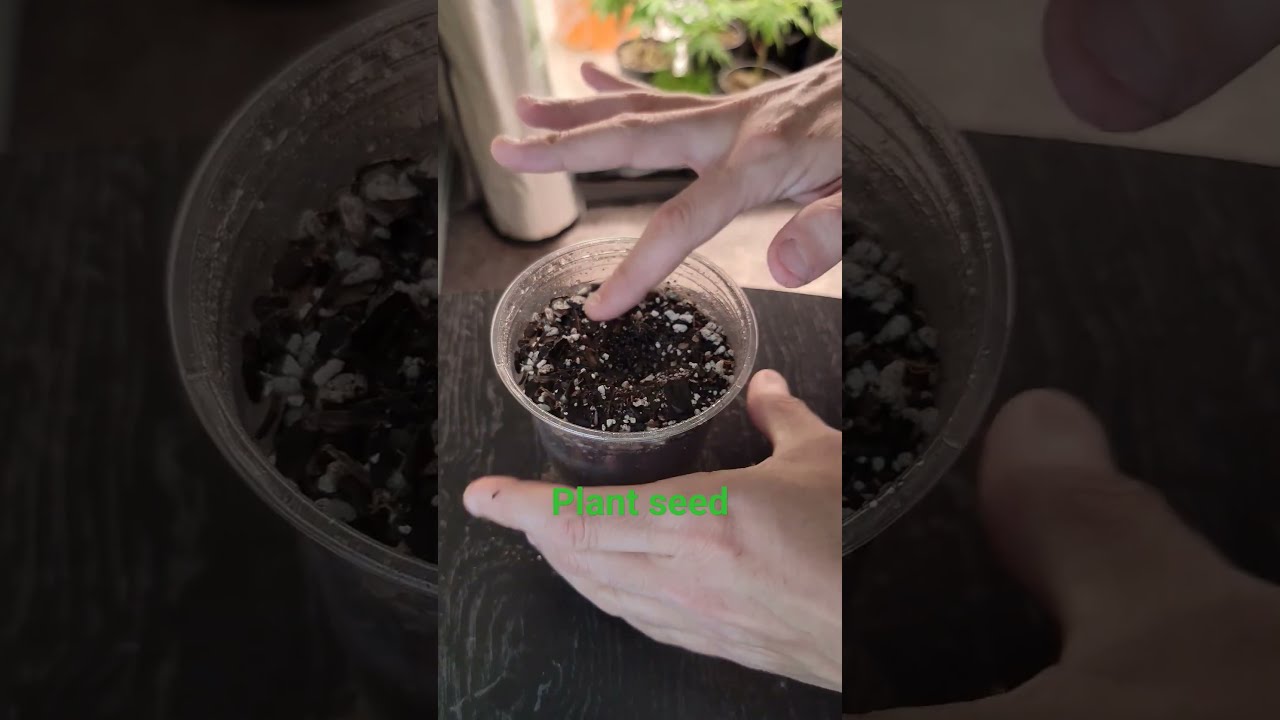
Rigorously draining hard plastic pots can work well too, especially with designed drain holes and a medium with perlite or pumice to keep channels open. Hard pots retain heat more and can develop dense peripheral root zones that circle the pot interior. Outdoors in hot climates, plastic containers can overheat the root zone unless shaded.
Growing in-ground or in raised beds gives the most thermal and moisture buffering and typically produces the largest plants. Soil structure and native fertility become the primary concerns rather than container choice.
If you need a quick checklist for container selection, this short list captures the most frequent choices and when I use them:
Use small nursery pots for first 1 to 3 weeks, then transplant. Choose 5 to 7 gallon for predictable indoor grows with 4 to 8 week veg. Pick 10 to 15 gallon for larger indoor specimens or longer veg. Prefer fabric pots when air pruning and drainage matter. Opt for in-ground or 20+ gallon for long outdoor veg and maximal yield.Potting mix and root aeration The medium must balance water retention and aeration. Cannabis likes oxygen at the root tips. If you use a heavy medium that holds water without air pockets, roots will suffocate, and you will see slow growth and yellowing. The simplest high-performance mixes I use combine a base of good quality peat or coco with mineral components that add structure.
A practical medium recipe I often recommend: 60 percent coco or peat, 20 percent perlite, 10 percent pumice or coarse sand, 10 percent compost. Coco holds water and is sterile and consistent; peat is similar but less sustainable. Perlite and pumice create macropores, reducing compaction. Compost supplies live biology and a slow release of nutrients, but use a tested and not over-fertilized compost to avoid burn.
Soilless mixes dry faster and let you control nutrients more tightly; they work well in fabric pots. If you prefer organic soil grows that feed slowly, increase the compost fraction, add well-aged manure, and include rock minerals. In-organic hydroponic style media such as rockwool or expanded clay require different nutrient regimes and strict pH control.
Watering rhythm, wet-dry cycles, and root training The wet-dry cycle is the silent driver of root form. Roots need frequent access to water for uptake but they also need air. Letting the medium dry to a point where the plant shows a slight lift and then watering deeply encourages roots to explore downward and outward. Overwatering produces shallow, dense roots that hug the top of the pot and fail to support high transpiration.
A simple rule: water thoroughly until you see drainage out the pot's bottom, then wait until the top 10 to 20 percent of the medium is dry before watering again, adjusting for pot size. Small pots will need daily or every-other-day watering. Five to seven gallon pots often need water every two to four days depending on environment. Ten to fifteen gallon pots might go four to seven days. Always check rather than follow a clock.
Root training can help. Root pruning when transplanting, by teasing apart the root ball and spreading roots into the new medium, prevents the circular pattern that causes later root-bound behavior. For fabric pots and certain air-pruning containers, simply placing the root ball on top of the new medium and covering lightly will have the edges exposed and air-pruned. For hard pots, slice the root ball vertically in a few places if circling is evident.
Transplant timing and tactics Transplant stress can stall a plant if done poorly, but careful timing and handling minimize shock. I use this five-step transplant checklist when moving to a larger pot:
Transplant when roots reach the outer edge of the current pot or when growth slows. Water the plant thoroughly a few hours before transplant to reduce shock and keep the root ball intact. Gently loosen the root ball, prune circling roots, and place at the same soil level as before. Fill around the root ball with fresh medium, avoiding air pockets, and water in to settle the medium. Keep light and humidity stable for 48 hours to let the plant adjust.Transplant earlier rather than later if you plan heavy training. A plant that becomes root bound will not respond well to topping, heavy defoliation, or aggressive low stress training. Conversely, resist transplanting too often; each move costs time and energy. For fast turnover grows, one transplant (seedling to finish pot) is often best.
Root problems and diagnostics Recognizing root distress early keeps a crop healthy. Slow yellowing and soft stems often indicate overwatering and poor oxygen. Wilting despite moist soil means roots are damaged or diseased. White, healthy roots are firm and smell fresh; brown, slimy roots with a sour smell point to root rot and Pythium.
If you suspect root rot, stop fertilizing, reduce watering frequency, increase air movement, and consider repotting into fresh medium after trimming rotten tissue back to healthy white roots. Hydrogen peroxide rinses are a quick fix in small cases, but persistent rot often signals a systemic irrigation or medium problem. Prevent rot with good drainage, a medium high in aeration, and avoiding saturation for extended periods.
Feeding and how root volume affects nutrient strategy Larger root systems allow for more aggressive feeding because they can take up more salts and buffer nutrient fluctuations. Small pots require lighter, more frequent feedings and lower EC. I treat plants in 1 to 3 gallon pots as sensitive to fertilizer strength, keeping EC lower and feeding in small doses. In 5 to 15 gallon pots, I gradually increase EC as the plant grows, watching for signs of salt accumulation and flushing when needed.
If you use a living soil, feed less in terms of synthetic nutrients because soil biology mineralizes and supplies nutrients over time. In soilless and hydroponic systems, control and monitor EC and pH tightly because there is less buffer.
Root pruning and air-pruning: when and why Root pruning is a deliberate trade-off. Cutting some roots often stimulates branching and more feeder roots if done correctly. When I transplant from a small container to a larger one, I rarely prune more than 10 to 20 percent of the root mass. The goal is to eliminate circling roots and encourage outward growth.
Air pruning, which fabric pots facilitate, is hands-off root pruning. I prefer it for most grows because it reduces transplant shock and yields a healthy, dense root network without injury. For growers who reuse hard pots, periodic root pruning at pot edge during repotting ministryofcannabis.com prevents long-term circling problems.
Practical examples from my experience Example 1: small tent, big yield. Using 5 gallon fabric pots, I trained four plants in a 4 by 4 foot tent under a 600 watt equivalent LED. Plants vegged six weeks with topping and mainlining, producing a dense canopy. The fabric pots created fibrous roots that supported rapid water uptake during heavy flower feeding. I watered every third day during peak flower, switching to lighter late-flush water in week seven.
Example 2: outdoor monster. An outdoor plant in a 30 gallon fabric pot vegged for ten weeks with training and produced a bush that required minimal watering between rains. The large root volume prevented any sudden nutrient shock when I increased bloom nutrients and gave the plant a stable water reserve during a two-week dry spell.
Edge cases and strain differences Some strains naturally produce massive root masses and benefit from larger pots earlier. Compact indica-dominant strains often thrive in smaller containers and can be finished in 3 to 5 gallons without stress. Sativa-dominant strains with vigorous vertical stretch usually need 10 gallons or more if you plan a long veg and expect top-heavy growth.
Auto-flowering varieties complicate the transplant question. Because autos rely on age rather than light cycles, minimize stress and the number of transplants. Many growers start autos in their final pot, using a 3 to 7 gallon container depending on how large they want the final plant.
Practical maintenance: stakes, support, and root observation As a plant loads with bud, mechanical support becomes essential. Roots anchor the plant, but large colas need stakes or trellis support to prevent tipping. If a plant leans after heavy flowering begins, suspect the root system is not holding well, often from shallow roots or a too-small container.
Periodically lift a pot to learn its water profile. Experience with a particular pot size and medium gives you a feel for when to water. When repotting or checking roots, look for white tips and branching as signs of a healthy system.
Final remarks on optimizing for your constraints Choose pot size based on the constraint you value most: space and speed or maximal yield and resilience. A well-managed 5 to 7 gallon fabric pot will outperform a poorly drained 15 gallon plastic pot. Where labor is limited, err toward larger pots and a medium that holds moisture. Where water and root oxygen are critical, use smaller containers with frequent checks or fabric pots.
Growers who think of roots as the plant's engine will adjust training, watering, and feeding to match the available root volume. With attention to aeration, deliberate transplant timing, and a medium that balances water and air, you can steer plant architecture and maximize the genetic potential of each strain. The roots will reward careful management with steadier growth, stronger branches, and fuller yields.